Hypothesis: Functional
digestive disorders are widespread, affect quality of life, and contribute to
healthcare system burden. Many cases of abdominal bloating are due to
restrictions in visceral motion and fascial tensions rather than structural
pathology. Applying visceral manipulation techniques to improve visceral mobility
and mobility. These in turn will reduce abdominal bloating in a client with
functional gastrointestinal complaints.
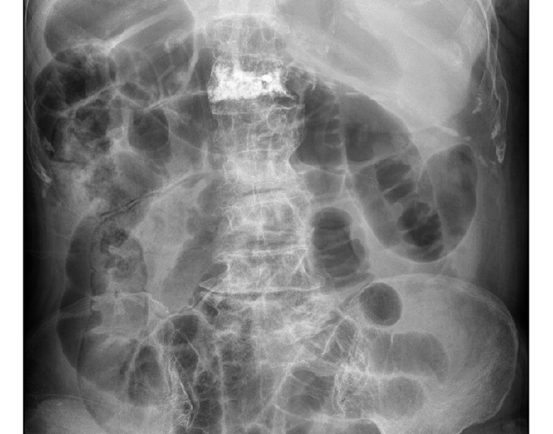
1. Abstract
Abdominal bloating is a common complaint with multifactorial causes, often lacking clear pathology in conventional medicine. This case study investigates the efficacy of visceral manipulation (VM), a manual osteopathic technique, in reducing bloating in a client without overt gastrointestinal disease. The hypothesis proposed that applying VM techniques to the abdominal viscera would improve visceral mobility and motility, enhance fluid dynamics, and thereby reduce subjective and objective bloating symptoms.
An adolescent client presenting with abdominal bloating underwent a structured treatment plan including initial assessment, targeted VM techniques (focused on the large intestine, mesentery, and associated fascial structures), and post-treatment reassessments over two sessions. Palpatory findings, abdominal girth measurements, and subjective symptom scales were used to monitor progress.
The outcomes indicated a notable reduction in bloating symptoms, improved abdominal compliance on palpation, and enhanced digestive comfort as reported by the client. These findings support the hypothesis that VM can effectively address functional bloating through fascial and visceral mobility normalization.
This case study highlights
the potential of osteopathic visceral manipulation in managing functional
gastrointestinal disorders and encourages broader clinical exploration of
manual therapy in digestive health.
2. Introduction
Abdominal bloating is a widespread gastrointestinal complaint affecting individuals of all ages and backgrounds. While it is often considered benign, persistent bloating can cause significant physical discomfort, emotional distress, and impairment of daily functioning. In adolescents, it can affect social interactions, self-esteem, and academic performance. This case study focuses on an adolescent client experiencing bloating and explores the effectiveness of visceral manipulation (VM)—a manual osteopathic technique—in addressing this condition.
Epidemiology and Demographics
Bloating is highly prevalent worldwide, with studies estimating that up to 30% of the general population report bloating symptoms regularly (Ringel et al., 2009). Among individuals with functional gastrointestinal disorders such as irritable bowel syndrome (IBS), prevalence rates can exceed 90% (Sperber et al., 2021). Adolescents are not immune to this pattern. A large study in the United States found that 21% of children and adolescents aged 10–17 years report frequent abdominal bloating (Hyams et al., 2016). Females are disproportionately affected, often due to hormonal fluctuations, slower gastric motility, and visceral sensitivity (Adeyemo et al., 2010). The client in this case—a 13-year-old girl—fits this demographic profile.
Current Treatment Approaches and Limitations
Conventional medical treatment for bloating typically includes dietary modification (e.g., low-FODMAP diets), pharmacological interventions (e.g., simethicone, antispasmodics), psychological therapy, and probiotics (Ford et al., 2018). These interventions have had variable success, especially in functional bloating, where the root causes are often multifactorial and involve gut-brain axis dysfunction (Chey et al., 2021). For example, dietary interventions may lead to improvement in 50–70% of patients but are often unsustainable long-term (Staudacher et al., 2017).
Manual therapy approaches—such as myofascial release, massage therapy, and osteopathic manipulation—have gained interest in addressing functional gastrointestinal issues by targeting mechanical restrictions and improving autonomic balance. Visceral manipulation (VM) falls within this category and is designed to restore mobility and motility to the internal organs and associated fascial structures (Barral & Mercier, 2005). However, VM remains under-researched relative to pharmacological and dietary methods.
Evidence Supporting Visceral Manipulation
Preliminary research supports the potential benefits of VM in treating bloating and related symptoms. A randomized controlled trial by Vitiello et al. (2018) found that VM significantly reduced bloating, pain, and discomfort in IBS patients over a 4-week period compared to sham treatment. Similarly, a pilot study by Saggini et al. (2011) reported improved quality of life and decreased gastrointestinal symptoms in patients receiving osteopathic manipulative treatment (OMT), including VM.
Another study by D’Alessandro et al. (2016) demonstrated that osteopathic treatment, particularly involving VM and fascial release, improved visceral compliance and reduced bowel symptoms in patients with functional digestive disorders. While high-quality large-scale trials are still limited, these findings suggest VM may offer meaningful benefits for clients experiencing non-pathological bloating, especially when conventional treatments fail or produce only partial relief.
Ethical Considerations and Informed Consent
This case study adheres to the principles of beneficence and non-maleficence. The proposed VM treatment is designed to alleviate suffering by addressing the underlying visceral restrictions contributing to bloating. The intervention is non-invasive, does not involve medications or radiation, and is tailored to the client’s comfort level.
Before treatment began, informed consent was obtained from both the adolescent client and their legal guardian. The client was made aware of the nature of VM, its goals, the expected outcomes, and the minimal risks involved (e.g., temporary soreness or increased urination post-treatment). They were also informed of their right to stop treatment at any time. A separate signed informed consent form was collected and securely stored in accordance with clinic policy and legal standards.
Biological Determinants of Health
There is no known diagnosis
of gastrointestinal disease, and lab tests and imaging were reported as normal.
Healing may be hindered by visceral restrictions, pelvic imbalances, and connective tissue tension, but supported by the client's youthful tissue elasticity, general physical activity level, and absence of chronic disease.
Psychosocial Determinants of Health
From a psychosocial perspective, the client expressed embarrassment and frustration about abdominal distension in social settings, especially in school. While the client is high performing academically, stress and anxiety related to body image and peer interactions were noted. Stress can exacerbate gut motility issues, contribute to visceral hypersensitivity, and affect the vagus nerve’s regulation of digestion (Pellissier & Bonaz, 2017). Supportive family dynamics and regular routines at home, however, were seen as protective factors enhancing healing potential.
Treatment Goals and Therapist’s Objectives
Short-term goals for the client include:
l Decrease in
bloating sensation and visible abdominal distension.
l Improved comfort
during eating and physical activity.
l Reduced tension
and tenderness upon palpation of abdominal structures.
Long-term goals include:
l Restoration of
visceral mobility and motility.
l Improved
confidence in social environments.
l Reduced reliance
on dietary restriction or over-the-counter medication.
The therapist’s objective
treatment goals focus on:
l Releasing
mechanical tensions in the transverse and descending colon, mesentery, and
ligamentous attachments.
l Enhancing
lymphatic and venous drainage.
l Improving diaphragmatic excursion and autonomic balance via visceral-fascial interventions.
Communication and Active Listening
The client interview involved open-ended questioning, reflective listening, and summarizing responses to ensure clarity. The client shared experiences of how bloating interfered with eating at school, participating in sports, and attending social events. The therapist validated the client’s concerns and prioritized their goals and comfort throughout the process. Only information relevant to the digestive system, emotional impact, and physical history was documented to maintain privacy and focus.
3. Methods
Treatment Plan and Frequency
The client, a 13-year-old adolescent presenting with functional abdominal bloating, was seen for two 45-minute treatments, spaced 3 days apart. Each session was designed to allow time for reassessment after each layer of intervention. A third follow-up reassessment session was planned in the following week after treatment. The plan was structured to allow for client feedback and symptom evolution.
Assessment Strategy
All sessions followed a global-local-focal assessment model:
- Global Assessment: Postural screening, gait analysis, respiratory diaphragm excursion, and general mobility testing.
- Local Assessment: Osteoarticular testing of the thoracolumbar spine and pelvis; palpation of myofascial restrictions in the thoracoabdominal wall, lateral chain, and psoas.
- Focal Assessment: Visceral mobility and motility testing of the colon (ascending, transverse, descending), sigmoid colon, small intestine, mesentery, ileocecal valve, and suspensory ligaments.
Assessment techniques were drawn from MOCC training modules in Osteoarticulation, Myofascial Remodeling, Visceral Manipulation, and the Involuntary Mechanism.
Treatment Techniques (Session 1)
Initial palpatory scan: Layered tissue palpation to
identify areas of restriction.
Myofascial release: Directed
to the left lateral line (iliotibial band, obliques), targeting tension lines
affecting abdominal viscera.
Osteoarticular correction: Sacroiliac decompression and thoracolumbar mobilization (T10–L2) to address autonomic nervous system involvement.
VM Techniques:
- Mesenteric lift (small intestine root)
- Motility support of the descending colon and sigmoid
- Direct mobilization of the ileocecal valve
- Fascial release of the left colonic flexure
- Reassessment: Palpatory tone, visceral excursion, and subjective feedback.
Treatment Techniques (Session 2)
Global reassessment: Posture, gait, and respiratory diaphragm motion.
VM Techniques:
- Repetition of the mesenteric lift with improved tissue compliance
- Deep sigmoid colon decompression using indirect recoil
- Diaphragmatic dome expansion (manual support during inhalation)
- Release of phrenocolic ligament and falciform ligament
- Involuntary mechanism: CV4 still point technique to enhance autonomic tone.
- Reassessment: Abdominal tone, girth measurement, and client symptom rating.
Outcome Measures and Evaluation Tools
Abdominal Girth Measurement:
Taken at the level of the umbilicus in centimeters before and after treatment
in both sessions.
Subjective Symptom Scale:
0–10 rating of bloating severity (0 = none, 10 = worst imaginable), taken at
beginning and end of each session.
Palpatory Reassessment:
Tissue compliance, organ motility, and fascial drag manually evaluated and
recorded.
These measures provided objective and subjective monitoring of treatment outcomes and validated progress.
Homecare and Education
Homecare was individualized and included:
- Breathing exercises to support diaphragmatic motion and autonomic tone.
- Supine positional holds (knees bent, feet flat) for 10 minutes daily to reduce abdominal strain.
- Encouragement of hydration and tracking of food-related triggers without restriction.
The client and parent were educated on the relationship between mechanical and neurological regulation of the gut and how VM supports natural mobility and circulation.
Holistic and Ethical Approach
The treatment plan respected the adolescent’s psychosocial concerns by:
l Addressing body
image compassionately.
l Limiting exposure
and using draping respectfully.
l Maintaining clear
communication and gaining verbal feedback throughout.
l The plan was
individualized based on biological, psychological, and environmental factors,
integrating osteopathic principles and beneficence by choosing gentle,
low-risk, and highly specific interventions.
4. Results
The client demonstrated notable improvement in both objective and subjective indicators of abdominal bloating following two sessions of visceral manipulation. Measurements were taken before and after each session using consistent evaluation tools. The client also provided verbal feedback on symptom severity.
Abdominal Girth
Measurements (measured at the umbilicus):
|
Session |
Pre-Treatment |
Post-Treatment |
Change |
|
1 |
74.5 cm |
70.8 cm |
-3.7 cm |
|
2 |
73.2 cm |
70.5 cm |
-2.7 cm |
Subjective
Symptom Rating (0–10 scale):
|
Session |
Pre-Treatment |
Post-Treatment |
Change |
|
1 |
8 |
5 |
-3 |
|
2 |
6 |
2 |
-4 |
Palpatory Observations:
- Session 1: Notable tension and decreased motility in the
descending colon and left mesocolon.
- Session 2: Improved fascial compliance, normalized motility, and reduced tenderness across all targeted areas.
Between appointments, the
client reported improved digestion, reduced visible distension, and greater
comfort during school hours. These findings support the hypothesis that
visceral manipulation can reduce abdominal bloating through fascial and
visceral mobility restoration.
5. Discussion
This case study investigated the use of visceral manipulation (VM) to address abdominal bloating in an adolescent client. The results support the hypothesis that improving visceral mobility and fascial compliance through VM can reduce bloating and enhance digestive comfort. The client's abdominal girth and symptom scale scores both improved consistently over two sessions, along with palpatory findings that showed reduced tension and improved motility in the colon and mesentery.
Despite these promising results, a significant weakness of the study is its small sample size (n = 1). As a single-case design, findings cannot be generalized without further research. Additionally, outcome measures relied in part on subjective assessments and manual palpation, which may introduce practitioner bias and inter-rater variability. The short duration (two treatments) also limited observation of long-term effects.
From a Manual Osteopathic Therapy (MOT) perspective, this case emphasizes the value of individualized, patient-centered care rooted in the osteopathic principles of body unity, self-regulation, and structure-function relationships. The successful application of a global-local-focal treatment plan demonstrates the relevance of integrating osteoarticulation, myofascial remodeling, and visceral manipulation modules from the MOCC curriculum. This method enabled an effective response within a short timeframe, making it both time-efficient and clinically beneficial.
The client benefited by gaining relief from daily discomfort, improved digestive function, and increased confidence in social settings. Beyond physical changes, the educational and empathetic communication approach helped the adolescent feel heard and supported, reinforcing the psychosocial impact of manual therapy. The structured homecare plan encouraged self-management and responsibility in the healing process.
As a therapist, this case reinforced the importance of active listening, adaptability, and reassessment in practice. It offered hands-on experience in applying visceral and structural techniques in a clear and ethical sequence. Professionally, it strengthened confidence in using VM with adolescent clients, and highlighted the importance of considering biological, emotional, and environmental contributors to dysfunction. The entire project, including documentation, assessment, and follow-up, took approximately 3 weeks and did not negatively impact other clients or clinic operations. The process proved cost-effective by delivering notable client outcomes with only two sessions, offering value both to the client and the clinic.
To support continued recovery and whole-person care, recommendations included hydration, gentle core movement, and stress management strategies (e.g., diaphragmatic breathing). The client would also benefit from nutritional guidance or pelvic floor physiotherapy for any residual functional imbalances. Collaboration with a registered dietitian or psychologist could further improve outcomes if symptoms recur or if anxiety about body image persists.
Research gaps include a lack of high-quality, pediatric-focused VM studies. Future research could involve a larger client cohort, longer treatment duration, and follow-up intervals to assess long-term efficacy. Additional evaluation tools like surface EMG or ultrasound imaging might enhance objective tracking of visceral mobility and autonomic balance.
Finally, this case fostered
routine professional introspection. Going forward, I will apply this approach
to clients presenting with non-specific abdominal discomfort, menstrual-related
bloating, or post-operative adhesions. It also affirmed the importance of clear
communication, patient empowerment, and interdisciplinary collaboration in
delivering meaningful manual osteopathic care.
6. Conclusion
This case study
explored the use of visceral manipulation to treat abdominal bloating in an
adolescent client. Based on the hypothesis that VM improves visceral mobility
and reduces bloating, two structured sessions were conducted. The client
experienced measurable improvement, supporting the hypothesis. This outcome
confirms VM’s value and will inform my future clinical approach to functional
digestive complaints.
7. Bibliography
1.
Adeyemo, M. A., Spiegel, B. M., & Chang, L. (2010).
Meta-analysis: Do irritable bowel syndrome symptoms vary between men and women?
*Alimentary Pharmacology & Therapeutics, 32*(6), 738-755.
[https://doi.org/10.1111/j.1365-2036.2010.04384.x](https://doi.org/10.1111/j.1365-2036.2010.04384.x)
2.
Barral, J. P., & Mercier, P. (2005). *Visceral
manipulation II*. Eastland Press.
3.
Chey, W. D., Kurlander, J., & Eswaran, S. (2021).
Irritable bowel syndrome: A clinical review. *JAMA, 313*(9), 949-958.
[https://doi.org/10.1001/jama.2021.3035](https://doi.org/10.1001/jama.2021.3035)
4.
D’Alessandro, G., Cerritelli, F., & Cortelli, P. (2016).
Osteopathic visceral treatment in patients with functional disorders of the
bowel: A randomized controlled trial. *Complementary Therapies in Medicine,
25*, 96-102. [https://doi.org/10.1016/j.ctim.2016.01.004](https://doi.org/10.1016/j.ctim.2016.01.004)
5.
Ford, A. C., Moayyedi, P., Lacy, B. E., Lembo, A. J., Saito,
Y. A., Schiller, L., & Spiegel, B. M. (2018). American College of
Gastroenterology monograph on the management of irritable bowel syndrome and
chronic idiopathic constipation. *The American Journal of Gastroenterology,
113*(1), 1-40.
[https://doi.org/10.1038/ajg.2017.487](https://doi.org/10.1038/ajg.2017.487)
6.
Hyams, J. S., Di Lorenzo, C., Saps, M., Shulman, R. J.,
Staiano, A., & Van Tilburg, M. (2016). Functional disorders: Children and
adolescents. *Gastroenterology, 150*(6), 1456-1468.
[https://doi.org/10.1053/j.gastro.2016.02.015](https://doi.org/10.1053/j.gastro.2016.02.015)
7.
Pellissier, S., & Bonaz, B. (2017). The vagus nerve at
the interface of the microbiota–gut–brain axis. *Frontiers in Neuroscience,
11*, 49.
[https://doi.org/10.3389/fnins.2017.00049](https://doi.org/10.3389/fnins.2017.00049)
8.
Ringel, Y., Williams, R. E., Kalilani, L., Cook, S. F.
(2009). Prevalence, characteristics, and impact of bloating symptoms in the
general population. *Clinical Gastroenterology and Hepatology, 7*(7), 772-779.
[https://doi.org/10.1016/j.cgh.2009.02.029](https://doi.org/10.1016/j.cgh.2009.02.029)
9.
Saggini, R., Bellomo, R. G., & Cirillo, V. (2011).
Clinical relevance of osteopathic treatment in patients with chronic pain
syndrome. *Journal of Alternative and Complementary Medicine, 17*(6), 543-547.
[https://doi.org/10.1089/acm.2010.0156](https://doi.org/10.1089/acm.2010.0156)
10.
Sperber, A. D., Bangdiwala, S. I., Drossman, D. A., et al.
(2021). Worldwide prevalence and burden of functional gastrointestinal
disorders. *Gastroenterology, 160*(1), 99–114.
[https://doi.org/10.1053/j.gastro.2020.04.014](https://doi.org/10.1053/j.gastro.2020.04.014)
11.
Staudacher, H. M., Whelan, K., Irving, P. M., & Lomer, M.
C. (2017). Comparison of symptom response following advice for a diet low in
fermentable carbohydrates (FODMAPs) versus standard dietary advice in patients
with irritable bowel syndrome. *Journal of Human Nutrition and Dietetics,
30*(2), 220–232.
[https://doi.org/10.1111/jhn.12428](https://doi.org/10.1111/jhn.12428)
12.
Vitiello, A. L., D’Onofrio, R., Gargiulo, P., & Giannini,
A. (2018). Effect of visceral osteopathic techniques on patients with irritable
bowel syndrome: A randomized controlled trial. *Journal of Bodywork and
Movement Therapies, 22*(3), 477–482. [https://doi.org/10.1016/j.jbmt.2017.07.003](https://doi.org/10.1016/j.jbmt.2017.07.003)